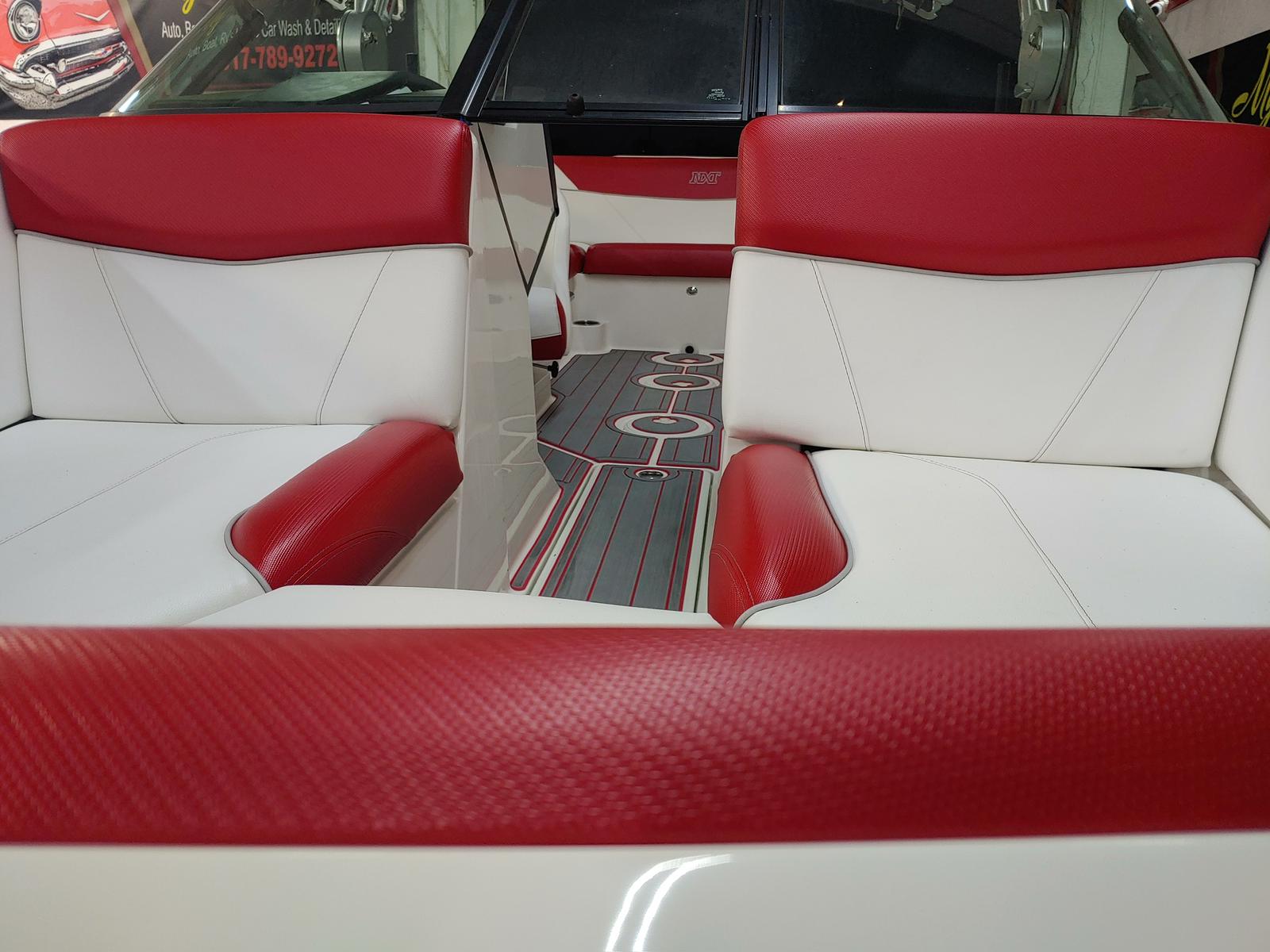
Protecting Boat Upholstery in Texas: Cleaning, Sun Protection, and When to Reupholster
Protecting Boat Upholstery in Texas: Cleaning, Sun Protection, and When to Reupholster
Boating on Lake Grapevine or Lewisville is a DFW staple, but the "Texas Trifecta"—extreme heat, intense UV rays, and humidity—is brutal on your interior. At My Upholstery Guys, we often see three-year-old boats with ten years of damage. Protecting your investment takes more than a quick wipe. Here is how to maintain your upholstery before the season kicks off at Lake Worth.
What Actually Wears Marine Upholstery Out
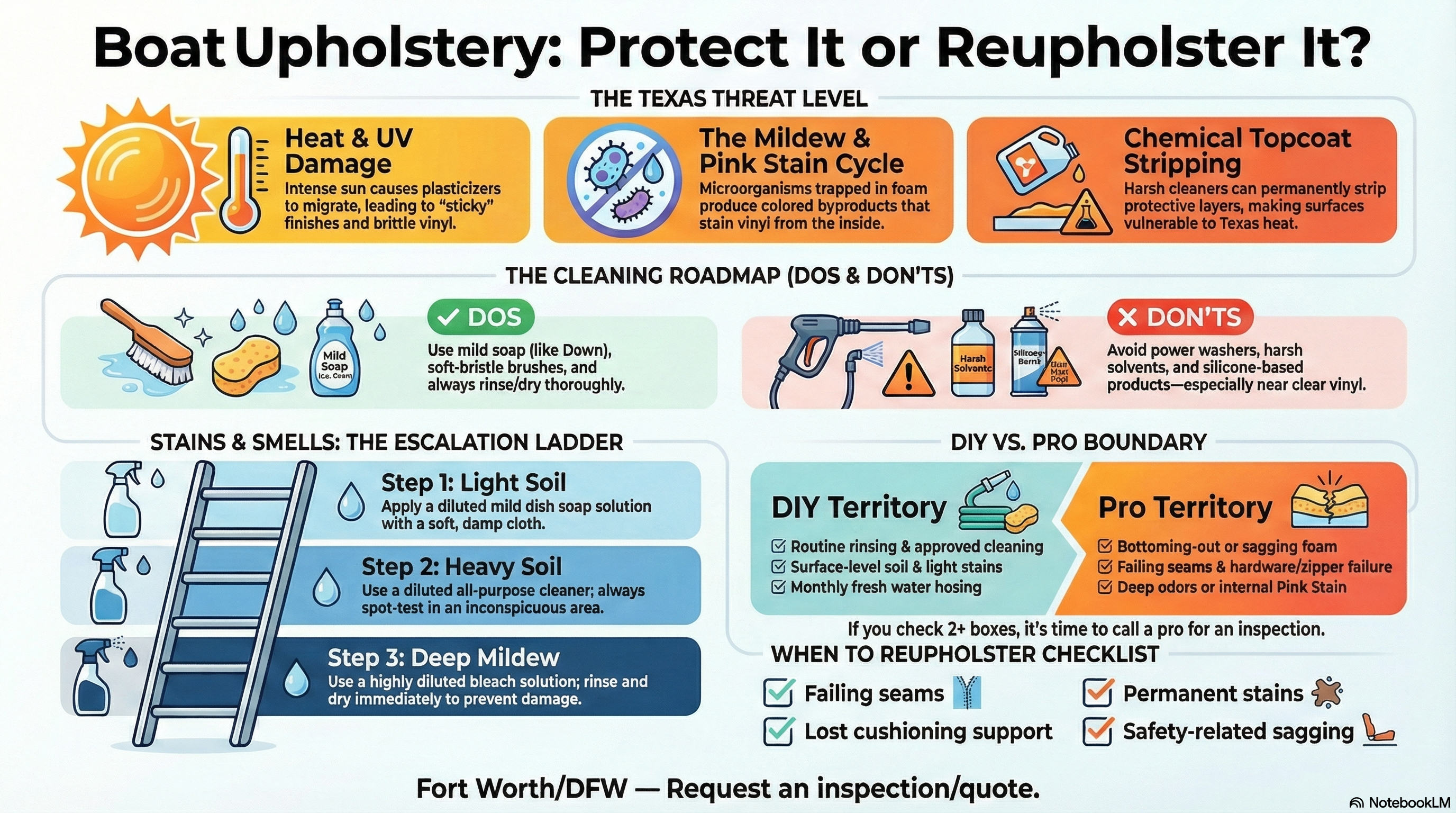
Marine-grade materials are engineered for the elements, but the North Texas climate accelerates the degradation process through a specific cycle of breakdown:
UV Rays and Heat: Constant solar exposure breaks down the chemical structure of vinyl, leading to fading and eventual cracking as plasticizers evaporate.
Improper Chemicals: Harsh cleaners can strip the protective topcoat, causing the material to become brittle or develop a "sticky" finish.
The Biological Cycle: Bacteria and fungi are the primary causes of deep-seated stains. These microorganisms enter the upholstery carried by wind or rain, leaving behind "mildew spores or seeds" deep within the foam substrate [Source: Spradling Group].
"Pink Stain": When microorganisms grow within the foam cushioning, they produce colored byproducts that manifest as a pink stain on the vinyl surface. Warmth and moisture act as catalysts for this growth; once the biological cycle begins, the stain is often irreversible from the outside [Source: Spradling Group].
Routine Cleaning & Care: The Maintenance Roadmap
To prevent drying, cracking, or premature failure, follow this roadmap based on manufacturer-approved standards.
The Do’s
Monthly Freshwater Rinse: Hose off fabrics monthly with clear water to prevent dirt from becoming deeply embedded [Source: Top Stitch].
Approved Mild Soaps: Use a solution of warm water and mild dish soap like Dawn or Ivory [Source: Qwest, Spradling].
Diluted Cleaners: For normal cleaning, a 1:1 solution of Formula 409 or Fantastik and water is approved, provided it is followed by a thorough rinse [Source: Spradling, Qwest].
Soft Tools: Use a soft bristle brush to loosen soil in embossed surfaces [Source: Spradling, Jackson].
UV Protectants: Apply a barrier like 303 Aerospace Protectant after cleaning to help shield against UV damage [Source: BoatUS, Jackson].
The Don’ts
No Power Washers: These can physically damage vinyl surfaces and tear through structural seams [Source: Qwest].
No Silicone-Based Protectants: Many "marine" products contain silicone, which can damage press-polished windows and void manufacturer warranties [Source: Spradling, Top Stitch].
No Harsh Solvents: Avoid ammonia, alcohol, kerosene, gasoline, or any petroleum-based cleansers [Source: Jackson, Spradling].
No Car Wax: Never use car wax on vinyl; it leads to premature embrittlement and cracking [Source: Jackson, Top Stitch].
No Full-Strength Bleach: Bleach must always be diluted to prevent material breakdown [Source: Jackson].
Stains & Smells: Cleaning Escalation
When standard soap isn't enough, use this step-by-step escalation. Always test a small, inconspicuous area first.
Light Soiling: Use a solution of 10% household liquid dish soap in warm water. Applied with a soft damp cloth, rub gently and rinse with a water-dampened cloth [Source: Spradling].
Heavy Soiling: Use the approved 1:1 solution of Formula 409 or Fantastik and water. Rub gently and rinse with a water-dampened cloth and pat dry [Source: Spradling].
Diluted Bleach (Mildew): Use a solution of 10% household bleach and 90% water. Mandatory: You must rinse the area thoroughly with clear water and pat dry. Failure to pat the material dry after using bleach can cause premature embrittlement [Source: Spradling].
Specific Stains: For fish blood, use Bar Keepers Friend or OxiClean on wet nonskid. For hard water spots, use a 1:1 mixture of vinegar and water, let sit for five minutes, and wipe clean [Source: BoatUS].
Failure to care for your vinyl properly, or the use of improper cleaners, may void your warranty. Many strong chemicals cause "irreparable damage" or "premature embrittlement" of the material [Source: Jackson, Qwest].
Covers, Ventilation, and Storage Habits
Smart storage habits interrupt the biological growth cycle of mold and mildew:
Adequate Venting: Ensure boat covers allow for adequate venting. Trapped moisture and vapor are the primary drivers of "Pink Stain" and mold growth within the foam [Source: Spradling].
Complete Drying: Never cover your boat while the upholstery is wet. Allow vinyl and seams to dry completely before applying a tarpaulin or closing the cabin [Source: Spradling, Qwest].
DIY vs. Pro: Repair Checklist
Knowing the boundary between a simple clean and a structural failure is essential for boat safety.
DIY Boundary
Pro Territory
Surface stains and organic debris
Structural foam failure ("bottoming out")
Monthly freshwater hosing
Broken, unraveled, or rotted seams
Light cleaning with approved detergents
Deep-seated odors or "Pink Stain" emerging from foam
Applying approved UV protectants
Replacement of failed hardware or zippers [Source: Jackson]
Removing light hard water spots
Sagging that affects driver comfort or safety
Reupholstery 101: Materials and Construction
If your seats require a full overhaul, the materials used will determine how many Texas summers the new interior survives.
Ether-Based Polyurethane Foam: We mandate the use of ether-based foam for marine seating. Unlike ester-based foams, ether-based polyurethane has a cell structure resistant to "hydrolysis"—the process of breaking down when exposed to moisture and humidity [Source: Amcon].
Antimicrobial Properties: Quality marine foam should be treated to be highly resistant to the growth of bacteria, mold, and mildew [Source: Amcon].
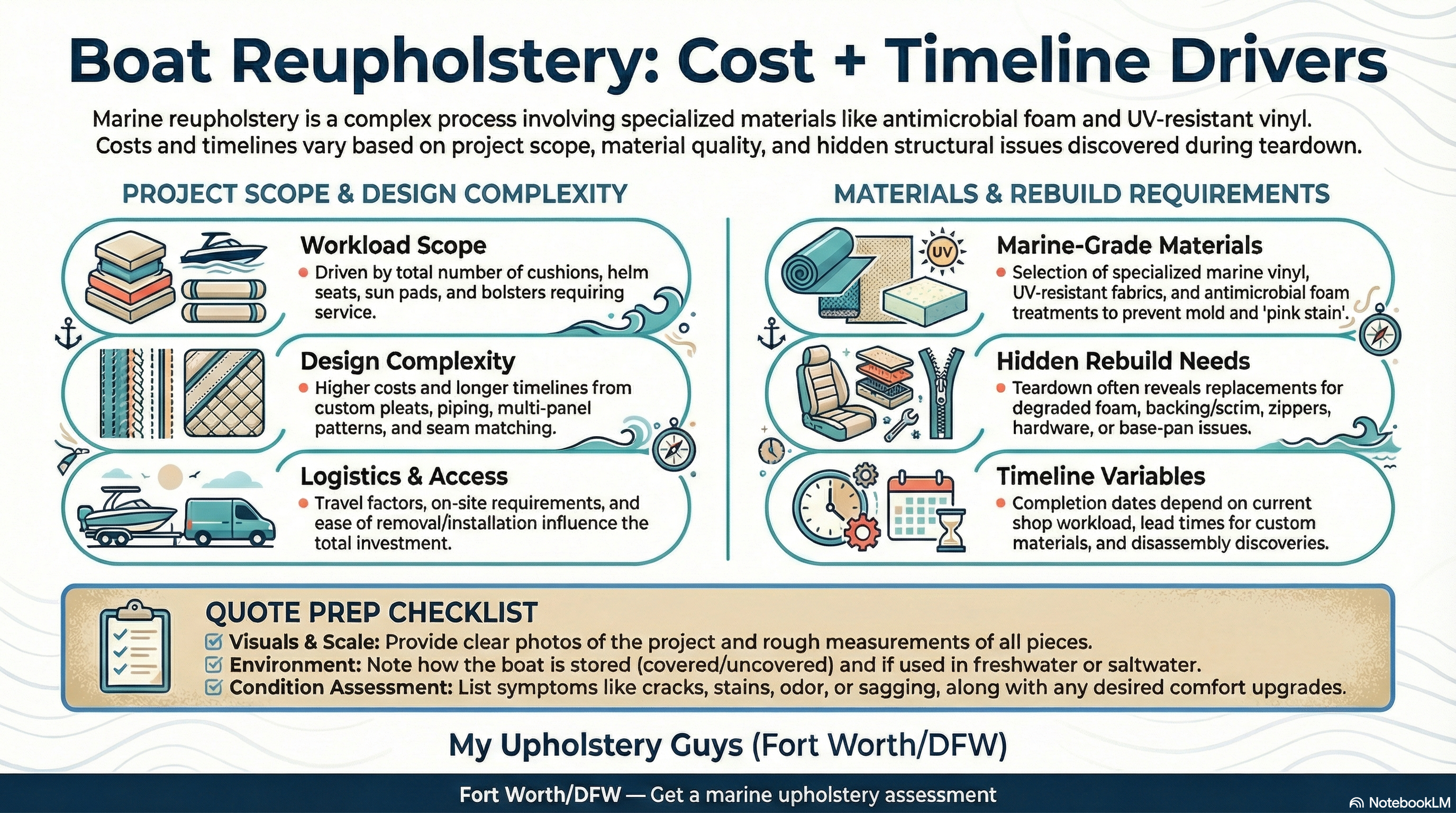
Cost Drivers: The cost of a project is driven by the complexity of the seat design, the ease of access to the boat, the quality of marine-grade materials (vinyl/thread) selected, and the need for new internal hardware or foam [Source: Xeno Fashion].
Timeline: Turnaround times vary based on the volume of the project and the intricacy of the design [Source: Xeno Fashion].
Quote-Prep Checklist
To help us provide an accurate inspection for your DFW-based boat, please prepare the following:
Photos & Measurements: Clear photos of the areas needing work and rough measurements of the cushions.
Storage & Usage: Details on how the boat is stored (covered/uncovered) and where it is used (freshwater/saltwater).
Identify Concerns: A list of primary issues, such as failing seams, cracking, persistent odors, or a need for improved foam support.
FAQ: Common Texas Boating Questions
1. Can I use a power washer? No. Power washers can damage the vinyl and structural integrity of the seams [Source: Qwest].
2. Why is my white vinyl turning pink? This is "Pink Stain," caused by microorganisms like bacteria growing inside the foam. The pink color is a biological byproduct of their growth cycle [Source: Spradling].
3. Is Sunbrella fabric mildew-proof? Sunbrella does not promote growth, but mildew can grow on dirt and foreign substances if the fabric isn't hosed off regularly [Source: Top Stitch].
4. What foam is best for boat seats? The best foam is antimicrobial, viscoelastic for support, and ether-based to resist breaking down from North Texas humidity [Source: Amcon].
5. Can I use Windex on my clear vinyl windows? Never. You should also never use Rain-X, Pledge, or Simple Green on clear vinyl like Strataglass. These can void your warranty and cause permanent damage [Source: Top Stitch].
6. How often should I hose off my fabrics? You should hose off your fabrics monthly with clear water to prevent dirt from becoming deeply embedded [Source: Top Stitch].
7. Can I use silicone-based protectants? No. Do not use cleaning products containing silicones or alcohol on press-polished windows or vinyl, as they can alter the chemical structure of the material [Source: Top Stitch].
Local Expert Assistance
Maintaining a boat in the DFW Metroplex requires local knowledge of our unique environmental demands. Whether you are docked at Eagle Mountain or trailering to Lake Worth, My Upholstery Guys provides the technical expertise needed to protect your investment. Swing by our Fort Worth shop or contact us for an on-site inspection to ensure your boat stays as comfortable as the day it hit the water.
